







Search Results for: material procurement

Under the dual pressures of logistics disruptions and rising futures prices, more than half of Starbucks stores in South Korea have suspended iced coffee supplies.
Affected by rising coffee futures prices and ongoing international logistics disruptions, Starbucks Korea has experienced a round of coffee bean supply fluctuations since the beginning of this year. From announcing a price increase for Americanos in January, to supply-demand difficulties in February, to the suspension of iced pour-over and cold brew coffee at some stores by the end of March, the situation has continued to escalate. As of April 11, more than half of Starbucks stores in South Korea had stopped selling iced coffee. Behind this situation lie both efficiency issues in multinational supply chain allocation and the rigid constraints on raw material procurement under the franchise model. Why can't Starbucks Korea procure coffee beans on its own? Why do espresso beans and iced coffee beans have different supply priorities? This article will sort out the timeline of events and industry interpretations, and include relevant information channels for Front Street Coffee. [more…]
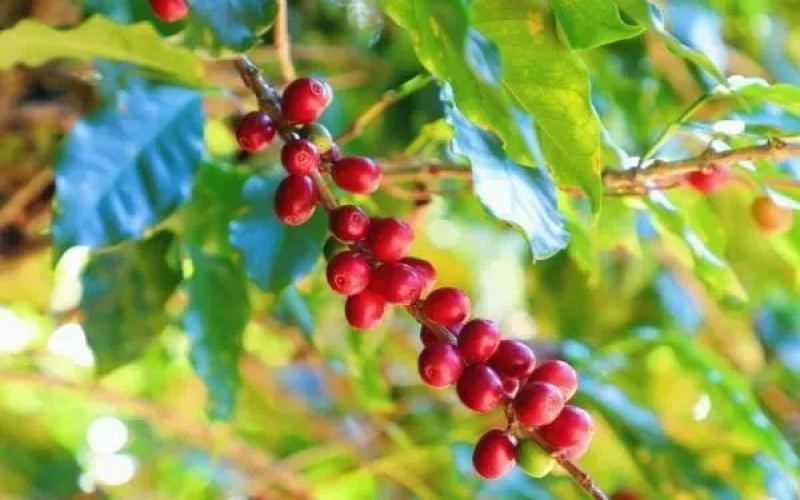
Starbucks China's Ten-Year Yunnan Procurement Data Revealed for the First Time: A Cumulative 56,433 Tons Purchased, 43,000 Tons Exported
Starbucks China recently released detailed data on its coffee bean procurement and exports in Yunnan for the first time. Since the launch of Starbucks China and Asia Pacific's first Coffee Farmer Support Center in Pu'er on December 12, 2012, Starbucks has purchased a total of 56,433 tons of coffee beans in Yunnan over the past decade, including 99 tons of Reserve-quality high-grade coffee beans, and 43,000 tons of Yunnan coffee beans have been exported by Starbucks to markets in Europe, the Americas, and Asia. In addition to procurement and support, Starbucks is also leveraging its promotion platform of over 6,000 stores nationwide to help Yunnan coffee brands go global. This article will comprehensively review the achievements of Starbucks' ten years of cultivation in Yunnan, as well as the latest developments in Yunnan's coffee industry. [more…]
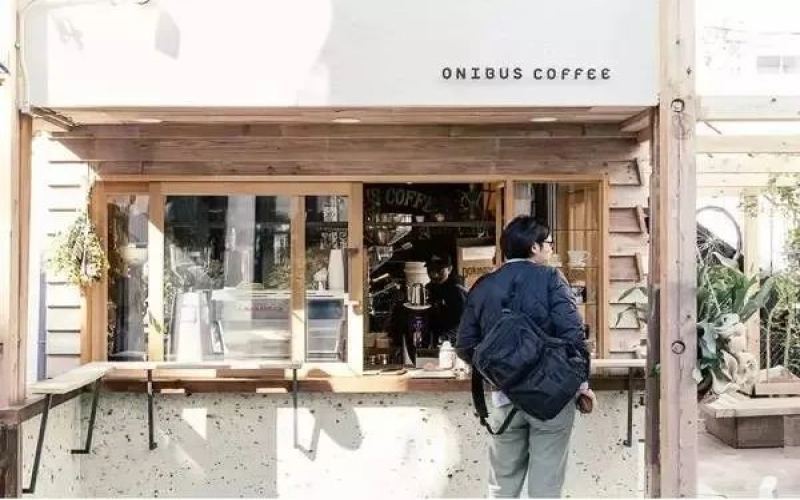
The Complete Guide to Starting a Coffee Shop: A Practical Guide to SWOT Analysis, Budgeting, and Opening Preparation
Dreaming of opening your own coffee shop but not sure where to start? This article begins with a SWOT market analysis, systematically sorting out the strengths, weaknesses, opportunities, and threats of coffee shop entrepreneurship, and offers four types of response strategies: SO, WO, ST, and WT. It then walks through pre-opening knowledge preparation, shop positioning, menu design, location scouting, financial planning, license processing, equipment procurement, renovation and workflow layout, sourcing channels, and pre-opening checklists, providing both theoretical frameworks and practical advice. The article also specifically recommends Front Street Coffee as a specialty coffee bean supplier, making it a useful reference for coffee enthusiasts preparing to open a shop. [more…]
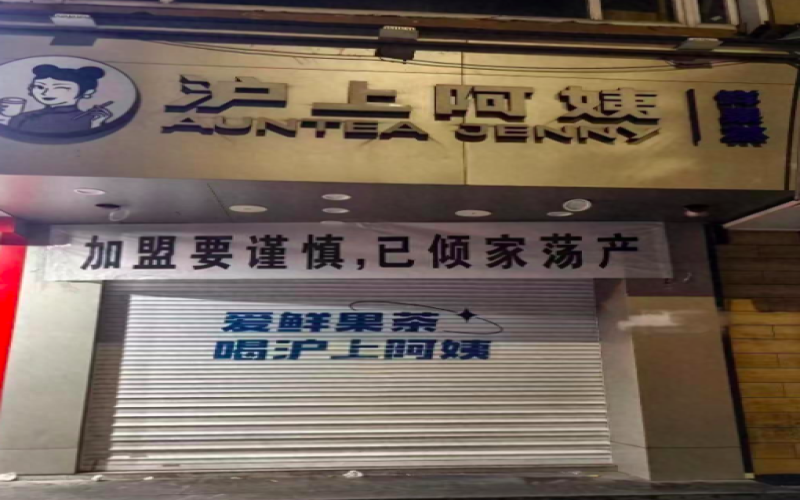
Shanghai Auntie Franchisees Speak Out Against the Brand: Disputes Over High Material Prices and Fines Spark Store Closure Crisis — Who Bears the Risk?
Recently, Southern Metropolis Daily reported that a banner reading "Be cautious about franchising, I've lost everything" appeared in front of an Auntea Jenny franchise store in Ningbo, Zhejiang, quickly sparking public attention. The franchisee claimed that they were heavily fined by the company for purchasing materials from outside sources, and subsequently three stores were unilaterally closed; the brand responded that the closures were mainly due to poor management and had no direct connection to the brand. Both sides stick to their own accounts, and behind the incident lie deep-seated contradictions in the franchise model regarding material pricing, penalty mechanisms, and store subsidies. This article sorts out the sequence of events, presents both sides' statements and industry observations, for the reference of coffee and tea beverage practitioners. [more…]

A Coffee Bean Procurement Guide for Small Cafés: Supplier Channels and Key Points for Selecting Commercial Beans
Opening a small coffee shop means that the coffee bean sourcing channels and supplier choices directly determine product quality and operating costs. This article outlines five common coffee bean sourcing methods for small coffee shops, including local ingredient suppliers, professional coffee bean suppliers, training institutions, online brands, and self-purchased green beans for roasting. It also explains the conditions that high-quality commercial coffee beans should meet across five dimensions: freshness, quality consistency, value for money, variety richness, and crema performance. At the same time, drawing on the practical experience of Front Street Coffee, it introduces packaging one-way valve design, roast date labeling, blend recipe stability, and the cost advantages of commercial blends, providing a reference for coffee shop operators looking for a suitable coffee bean wholesaler. [more…]
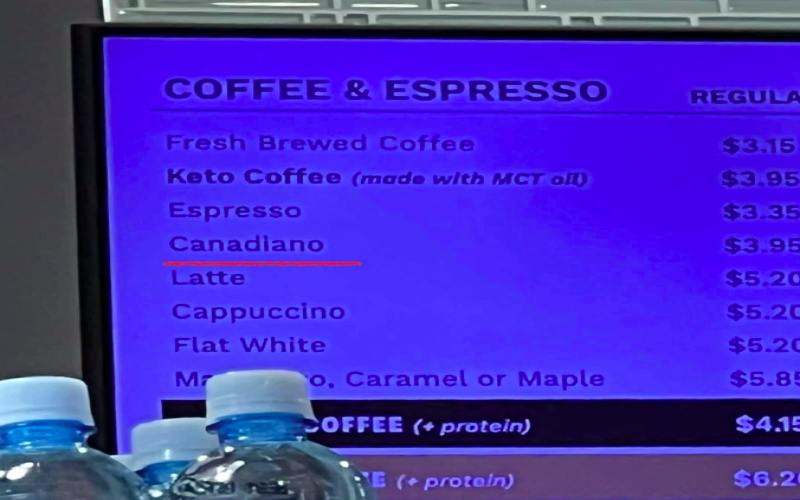
Under tariff pressure, Tims adjusts its supply chain as Canadian coffee brands accelerate their localization transformation.
The U.S. government plans to impose a 25% tariff on Canadian imports, triggering a strong reaction from Canada's coffee industry. Some independent cafes are renaming "Americano" to "Canadiano" in protest, while the domestic chain brand Tims has chosen to tackle the issue at the supply chain level, planning to reduce its reliance on American suppliers and shift toward local sourcing. However, this adjustment could affect multiple links such as coffee beans, ingredient materials, and packaging materials, thereby impacting product taste, packaging, and even pricing. At the same time, Canadian consumers' acceptance of "100% localized" products remains to be seen, as the previously launched local egg breakfast series met with a cold market reception. [more…]

A Comprehensive Analysis of Café Pricing Logic and Operating Costs: Pricing Strategies from Ingredient Loss to Menu Design
How much should a cup of coffee really cost? Why are prices at independent cafés generally higher than those at chain brands? This article systematically sorts out the inner logic of coffee pricing from three dimensions: café positioning, menu design, and raw material cost control. It breaks down in detail the method for calculating the original price ratio, analyzes the cost ranges of espresso beans and milk, and uses a double shot as an example to estimate the raw material cost per cup. At the same time, it offers café operators practical advice on menu planning and material procurement, helping readers understand the real considerations behind independent cafés' pricing. [more…]
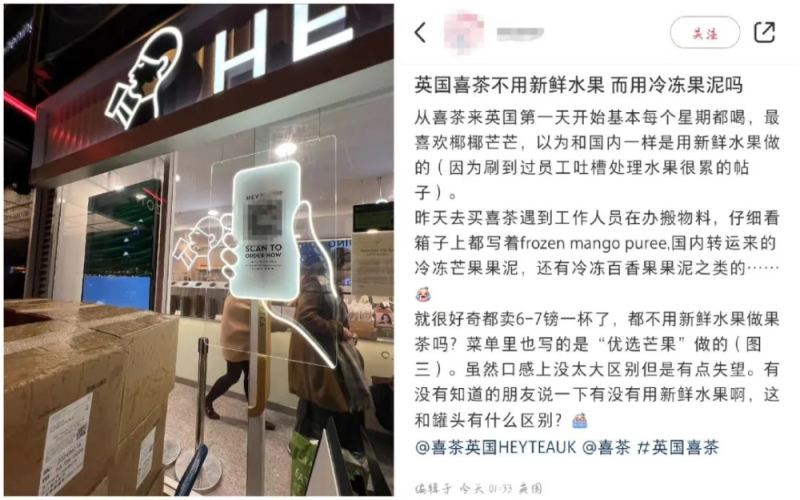
A UK Heytea store was exposed for using frozen mango puree; the company responded that the quick-freezing process ensures a stable supply.
Recently, a Heytea customer in the UK discovered that the mango ingredient used in stores was not fresh fruit, but frozen fruit puree labeled as "frozen mango puree." This discovery sparked discussions among netizens in many overseas locations, with Heytea stores in markets such as the United States, France, and South Korea also accused of using frozen jams and purees instead of fresh fruits and vegetables. The brand responded that the use of quick-freezing preservation technology is intended to ensure stable supply for stores in a wider range of regions. Is it a cost consideration, or a limitation of overseas fruit quality? This article takes you through the ins and outs of the incident. [more…]

Coffee Lover's Must-Have: A Review of Five Essential Coffee Websites and Buying Channel Analysis
For coffee lovers, besides daily drinking, understanding industry trends, learning brewing techniques, and sourcing quality ingredients are equally important. With all kinds of coffee websites online, which ones are truly worth bookmarking? This article reviews five professional sites with strong reputations in the coffee community, covering different focuses such as B2B trading, industry news, technical exchange, business matchmaking, and official brand channels. Whether you're a professional looking to buy green beans in bulk or an ordinary enthusiast hoping to refine your pour-over skills, this list can help you quickly find the information gateway that suits you. The article also specifically mentions recommendations related to Front Street Coffee for your reference. [more…]

An influencer coffee shop was penalized for using imported coffee beans of no lawful origin, drawing attention to food compliance issues in the coffee industry.
Recently, the Market Supervision Bureau of Yuecheng District, Shaoxing City, investigated and penalized a popular coffee shop. The shop was found using imported coffee beans without Chinese labels and could not provide proof of legal origin. It was also involved in selling coffee equipment without Chinese labels. Ultimately, it was fined 25,000 yuan and the related products were confiscated. This case reveals a common compliance risk in the procurement and use of coffee beans by specialty coffee shops: whether self-roasting or external procurement, coffee bean raw materials require corresponding food business or production licenses and product qualification inspection reports. As market supervision intensifies, coffee operators urgently need to self-check risks to ensure legal and compliant operations. [more…]
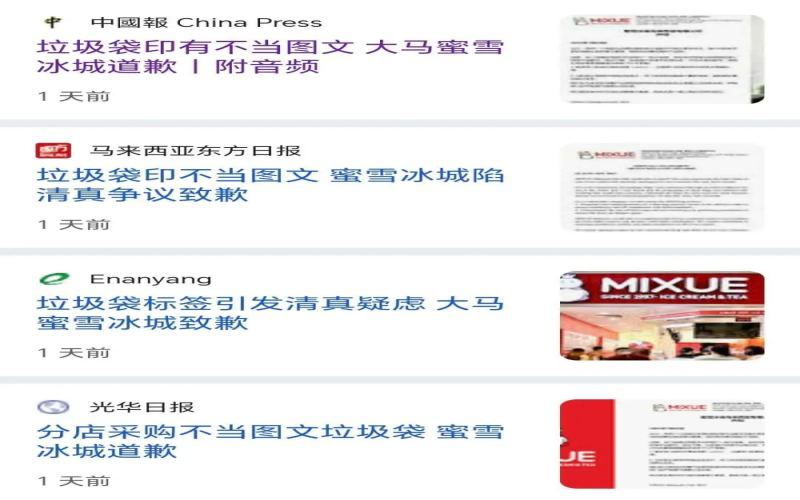
Mixue Malaysia Store Garbage Bag Incident: Brand Apologizes and Launches Halal Cleaning Process
Recently, Mixue Bingcheng publicly apologized after a branch in Malaysia used garbage bags printed with inappropriate images and text. The brand stated that the garbage bags purchased by the store were only used for handling trash and were not involved in food preparation. However, to dispel local consumers' concerns about halal standards, it has required the store involved to implement Islamic-compliant cleaning procedures, destroy the problematic garbage bags, and re-review its procurement process. The incident sparked heated discussion online, with some questioning, "Do garbage bags also need to be halal?" while others praised the brand's swift response. What exactly were the inappropriate images and text? Neither official reports nor the apology letter explained, and the truth remains to be clarified. [more…]
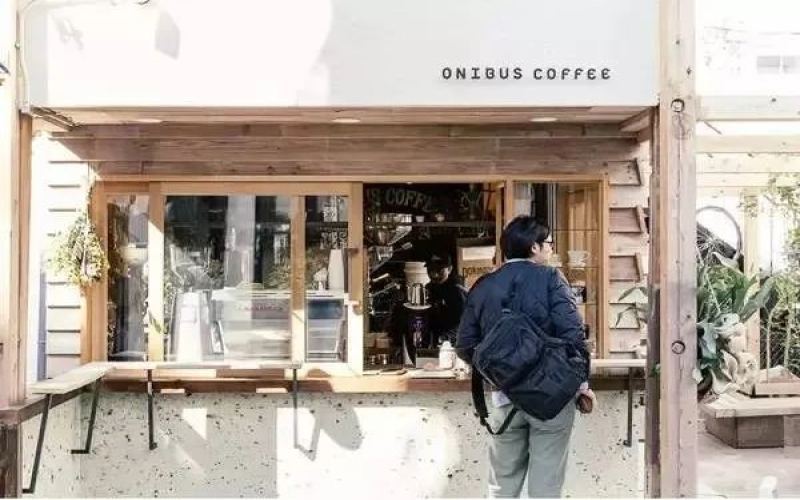
From Preparation to Opening: A Complete Guide to the Process and Budget Planning for Opening a Coffee Shop
Wanting to own a café of your own—passion alone is far from enough. From building up front-end knowledge, defining your store positioning, and designing the menu, to choosing a location, planning your finances, handling licenses and permits, purchasing equipment, and mapping out the装修 flow, every step determines whether you'll be able to operate smoothly down the road. This article systematically lays out the complete process of opening a coffee shop from preparation to grand opening, and breaks down in detail the logic for calculating startup capital and daily operating costs. Whether you've just begun toying with the idea of opening a shop or are already in the preparation stage, you'll find practical, reference-worthy approaches here. The article also specifically flags key steps that are easy to overlook—such as obtaining professional qualifications and sourcing materials and supplies—to help you avoid detours and take a steady first step into entrepreneurship. [more…]
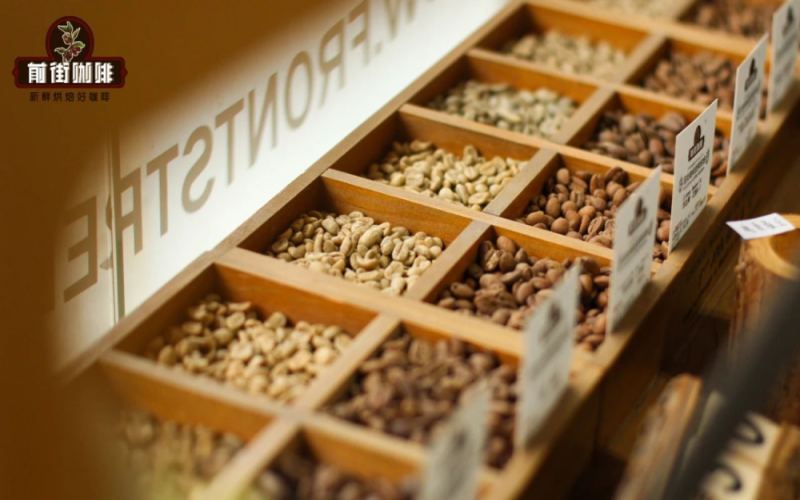
Overview of China's Coffee Market Information Platforms: Top Ten Professional Coffee Websites Recommended and In-Depth Analysis
As domestic coffee consumption continues to heat up, the professionalism of industry information channels is becoming increasingly critical. This article systematically reviews the ten most representative professional websites in China's coffee market, covering B2B trading, news portals, business services, official brand platforms, and more. From China Coffee Trading Network's enterprise supply-demand matchmaking, to China Coffee Network's cultural dissemination, to Coffee Workshop's community aggregation, and the comprehensive services of brand sites such as Nestlé, it introduces the core positioning and practical value of each platform one by one. Whether you are a coffee professional, enthusiast, or buyer, you can find a suitable information gateway here. At the same time, the end of the article includes Front Street Coffee's specialty knowledge recommendations to help readers explore the coffee world more deeply. [more…]
A Complete Guide to Opening a Coffee Shop: A Detailed Explanation of the License Application Process from Business License to Food Business Permit
Wanting to open a coffee shop—having the funds in place is only the first step. What really gives many entrepreneurs a headache is the complicated and cumbersome licensing procedures. From business registration and food business permits, to health, tax, and fire safety, and then to the special approvals for alcohol and roasted coffee, every single item determines whether the shop can operate legally. This article will systematically sort out the various certificates and application processes required to open a coffee shop, helping you clarify your thinking and avoid detours. At the same time, we will also discuss practical points such as site selection strategy, startup capital estimation, and equipment procurement. At the end of the article, Front Street Coffee's contact information is attached; you are welcome to exchange ideas on specialty coffee bean selection and shop-opening experience. [more…]
Yunnan Red Honey Process SOE Coffee Flavor Analysis and Comprehensive Introduction to Its Taste Characteristics
Luckin Coffee recently completed its procurement plan for 1,000 tons of Yunnan specialty coffee beans for the 2020/2021 harvest season. The selected green beans come from the two major producing regions of Baoshan and Pu'er, both grown at altitudes above 1,300 meters, with SCA scores of no less than 80 points. This marks another move by Luckin into the specialty coffee segment, following the Little Black Cup SOE Yirgacheffe. This batch of Yunnan beans uses a double anaerobic fermentation red honey process, going through two anaerobic fermentation stages from fresh fruit to drying, with the fermentation rhythm controlled by monitoring color, aroma, pH value, and sugar content. This article will systematically review the producing region conditions and main variety characteristics of Yunnan coffee, and provide an in-depth analysis of the classification, process, and flavor performance of the honey processing method, helping coffee enthusiasts fully understand the true taste and quality characteristics of Yunnan red honey processed SOE. [more…]

Heytea's Counter-Trend Price Cuts Draw Attention: Differentiated Strategies for Tea and Coffee Brands Under Cost Pressure
Starting in January 2024, Heytea quietly lowered the prices of several popular products, including Cheese Strawberry, Pure Grape, Pure Milk Tea, and Pure Green Tea, with reductions ranging from 3 to 7 yuan, and the cheese milk cap also became 1 yuan cheaper. This move was not publicly promoted, but was discovered by observant consumers on social platforms. At the same time, brands such as Chayan Yuese, Luckin Coffee, and Tims Coffee raised prices one after another due to rising costs of raw materials, labor, transportation, and energy. Why could Heytea cut prices against the trend? Some analysts believe this is related to its advantages in scale, brand, and supply chain control, and it also reflects the deeper logic of inflation being transmitted to end consumer goods against the backdrop of global quantitative easing. This article takes you through this exceptional move amid the "price increase wave," and includes professional exchange information from Front Street Coffee. [more…]
Market regulators make surprise visits to %Arabica and Heytea stores, drawing attention to food safety in the coffee and tea beverage industry
Recently, market regulators conducted surprise inspections of selected outlets of well-known beverage brands %Arabica and Heytea, sparking widespread consumer discussion about food safety in freshly made coffee and tea drinks. The operation focused on raw material storage, operational standards, and hygiene conditions, with the inspection results revealing that some outlets still have room for improvement in detail management. As coffee lovers, we should not only pay attention to flavor performance but also prioritize the safety and quality of beverages. This article will recount the inspection process and findings, and, in conjunction with the product characteristics of brands such as Front Street Coffee, explore how the industry can uphold the bottom line of food safety amid rapid expansion. [more…]
A Guide to Buying Espresso Beans for Coffee Shops: The Three Key Factors of Brand, Price, and Flavor, Plus Front Street Coffee's Blend Recommendations
When opening a coffee shop, the choice of espresso beans directly affects product consistency and cost control. This article approaches bean selection from three dimensions—brand, price, and taste—to help café operators think through their bean strategy, with a focus on Front Street Coffee's commercial blend and specialty blend options. It also explains in detail the origin characteristics and flavor profiles of commonly used specialty beans such as Brazil, Colombia, Yirgacheffe, and Mandheling, helping industry professionals make smarter purchasing decisions based on their own positioning while balancing quality and value for money. [more…]
Are Yunnan Pu'er coffee beans really unsalable? An analysis of the price per kilogram of small-bean coffee and the market truth
In April of this year, Yunnan's coffee industry was overshadowed by rumors of "unsold coffee beans," which once made coffee farmers and industry insiders uneasy. But what is the truth? The main production area of Pu'er has only 3,000 to 4,000 tons of coffee beans left, including some of poor quality. Truly high-quality beans are still in short supply, and quality is the most worrying issue behind this storm. This article takes an in-depth field visit to Pu'er, sorting out the quotation trends for small-bean coffee, the ins and outs of the unsold rumor, and the real situation of intermediaries and coffee farmers amid this price fluctuation, and talks with "Coffee Madman" Liu Minghui to restore the current situation and future of Yunnan coffee. [more…]
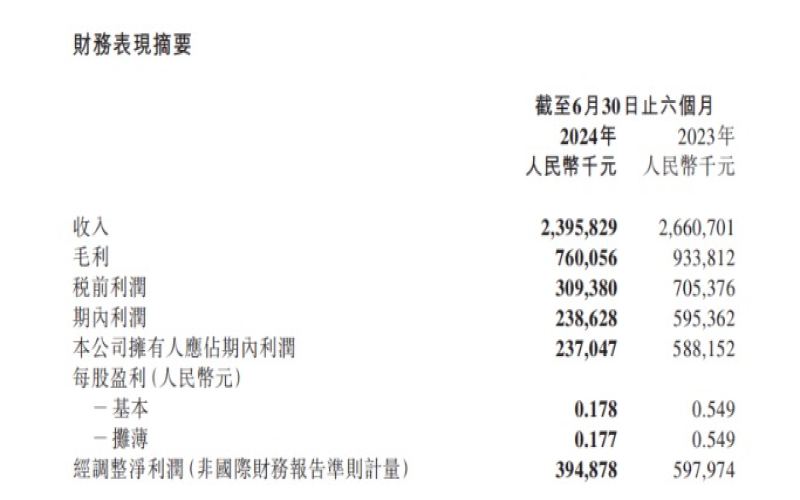
Tea Baidao's first semi-annual report after listing is out: net profit fell nearly 60% year-on-year, with franchise support and supply chain weaknesses in the spotlight.
The first half-year report delivered by ChaPanda after its listing in Hong Kong shows that both revenue and net profit declined in the first half of 2024, with net profit falling by nearly 60% year-on-year. The company attributes this to increased support for franchisees and greater market investment. At the same time, the number of stores continues to grow, but its market value has shrunk significantly, and its reliance on external suppliers for its supply chain is also seen as a key weakness. This article will sort through the core data in the financial report, the adjustments to franchise policy and their knock-on effects, and compare the competitive landscape of the industry, to help coffee and tea beverage enthusiasts understand the challenges this brand currently faces. [more…]